

From Vĩnh Hoàng, Quảng Trị to Saigon
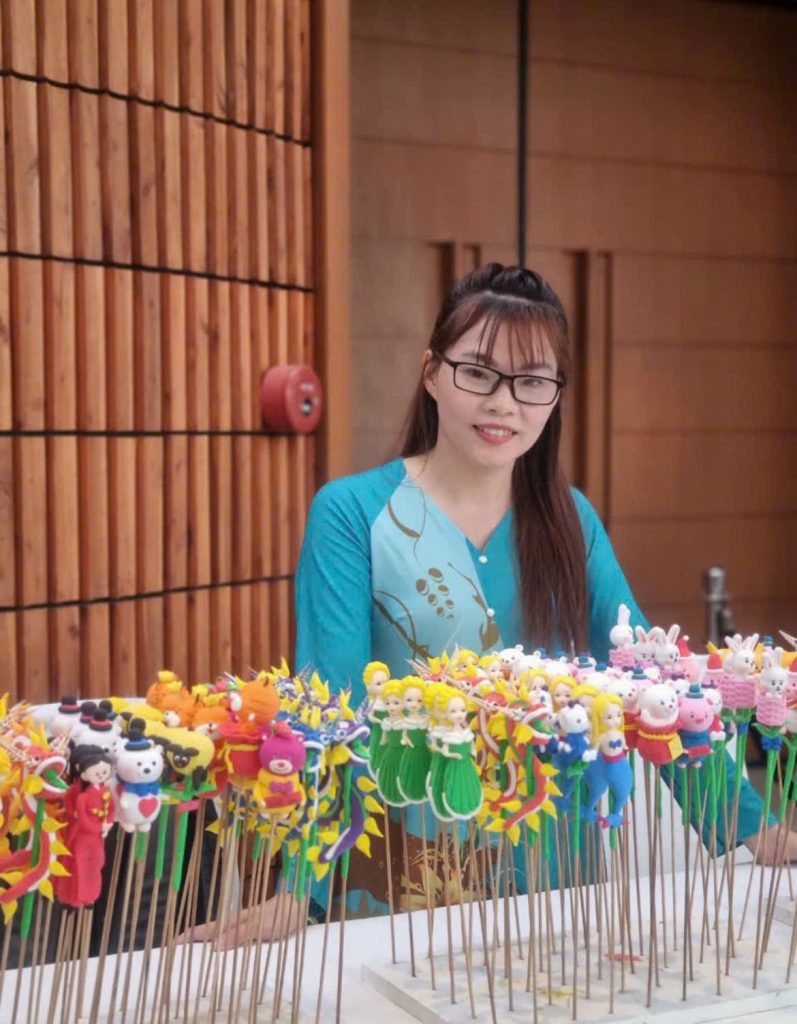
Artisan Lệ Quyên was born in Vĩnh Hoàng, Quảng Trị. She brought the craft of tò he to Ho Chi Minh City and has practised it for 13 years — long enough to watch the trade lose most of the people who once made it.
Today she is one of the few artisans still keeping tò he alive. Not because it is an easy living, but because every time she places a figurine in a child's hands, she finds a reason to keep going.
The hardest part is not the hands
People assume tò he is all about dexterity. For Lệ Quyên, the sculpting was the easier half. The hardest part was kneading the dough, mixing it, and controlling the flame — the stages nobody sees, that never make it into a photo, yet decide whether a figurine stays pliable, takes colour, and holds its shape. That part is paid for in years of getting it wrong and starting over.
2025: choosing education over the event circuit
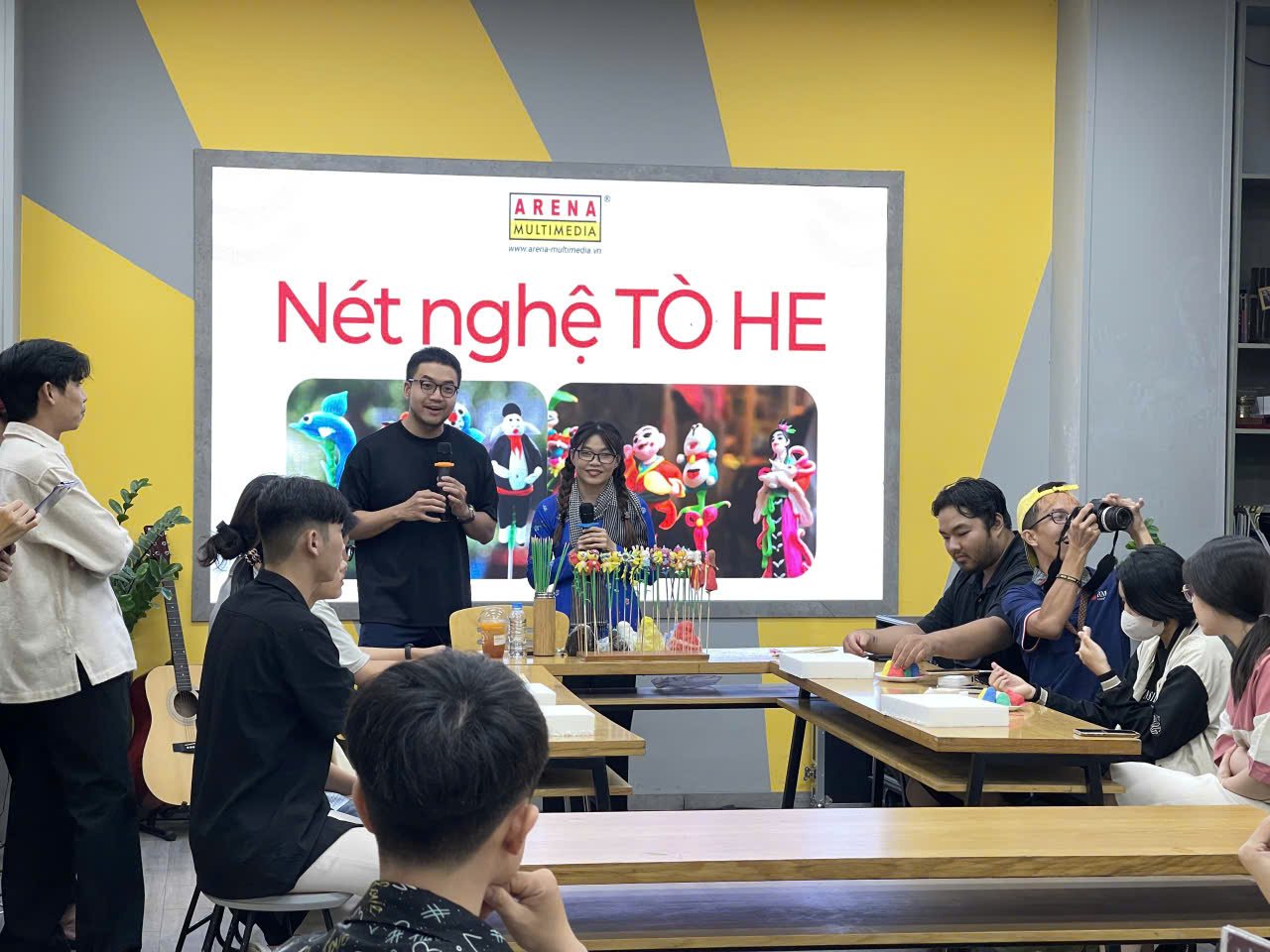
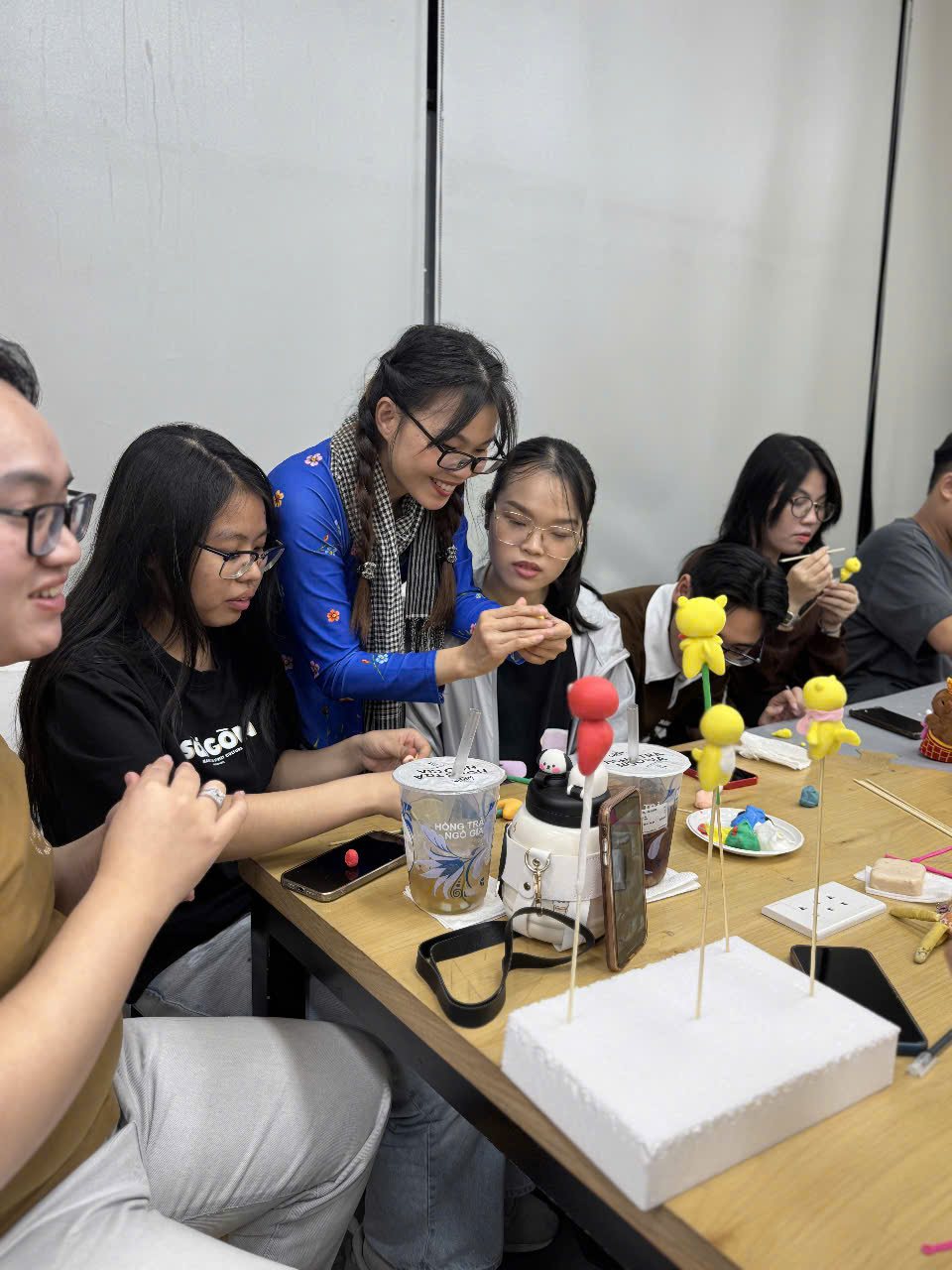
2025 marked a deliberate turn. Rather than chasing a packed event calendar, Lệ Quyên focused on education — bringing tò he into schools, from kindergarten through to university. Each session hosts 50 to 200 students, all of them kneading the dough and sculpting their own figurine.
Some of those programmes welcome international students: at Van Lang University she led a tò he session for a delegation from Ming Chi University, Taiwan. For young people who have never heard the words "tò he", a lump of dough in the hand says more about Vietnamese culture than any lecture could.
Keeping the roots, opening the branches
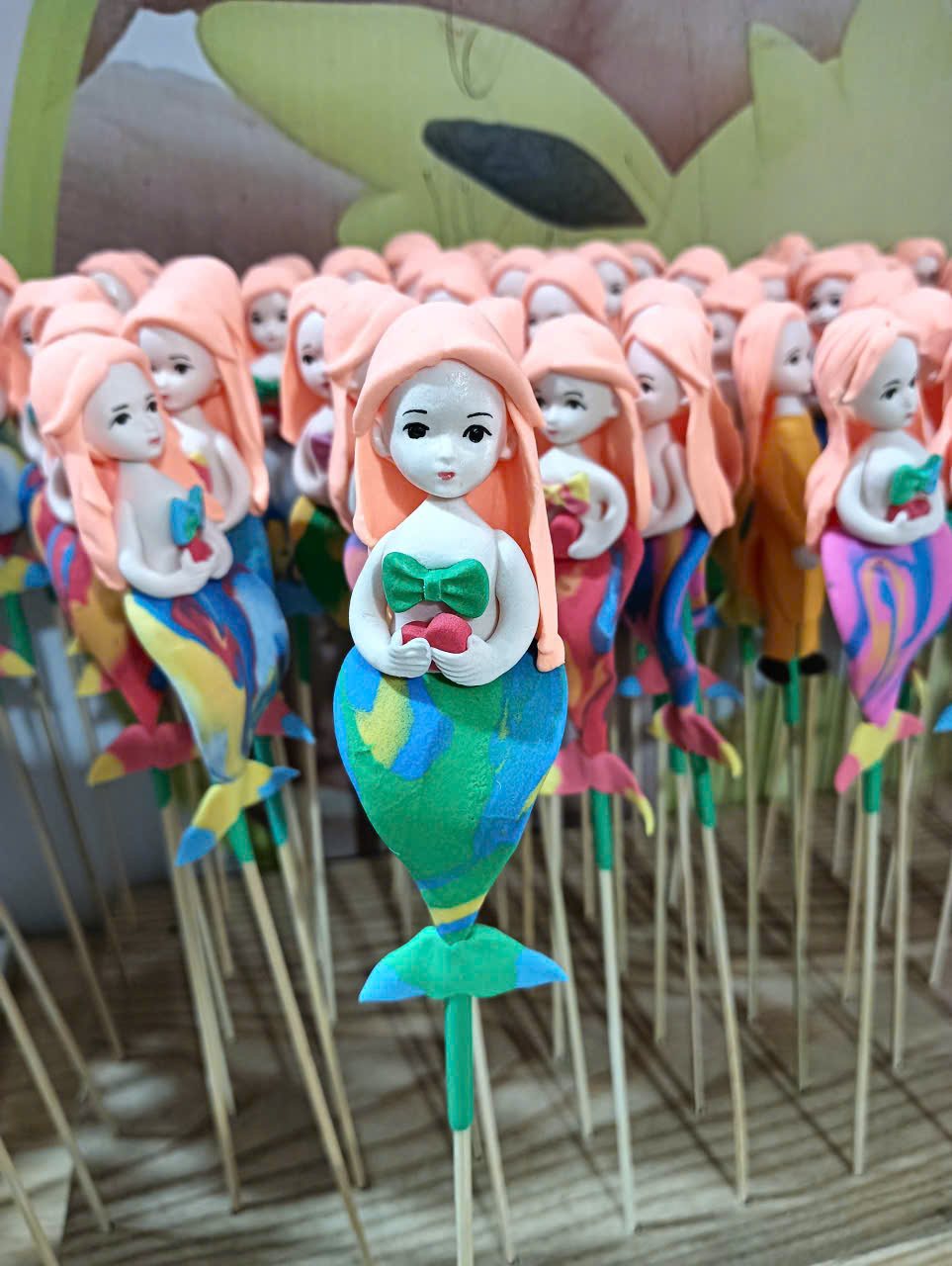
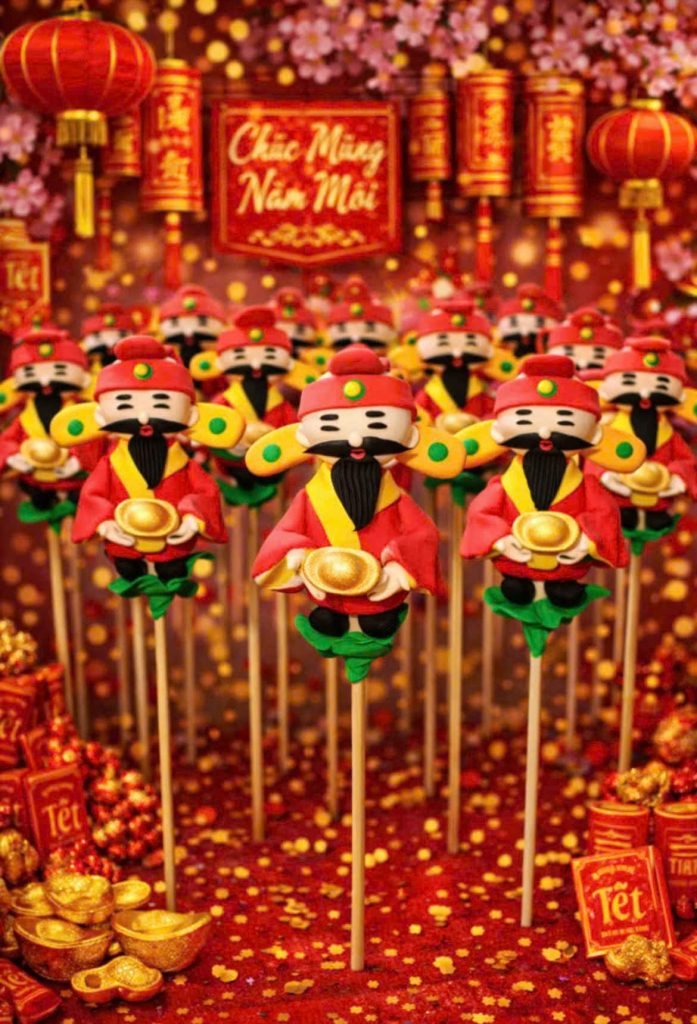
She is glad to design new figures for modern tastes — cartoon characters, made-to-order models, custom pieces for a particular programme. But the core of the craft stays untouched: the same dough, the same hands, the same method handed down. What changes is the shape, never the root.
Nor does she work alone. Behind every 200-student workshop is a team preparing dough, colours and tools, and guiding each table through the session.
Not about the profit
What she pursues is not profit but the preservation of memory and the passing on of folk cultural value — so that one more generation still knows what tò he is, and knows it through their own hands rather than through a screen.
Her look back at 2025 was featured by Tạp chí Doanh nhân 24h in an article about the craft and the people still holding on to it.
Looking to 2026
In 2026, Lệ Quyên plans to expand her hands-on programmes to more schools. Every school is another class of children who get to touch the craft — and to her, that is the surest way it survives.