

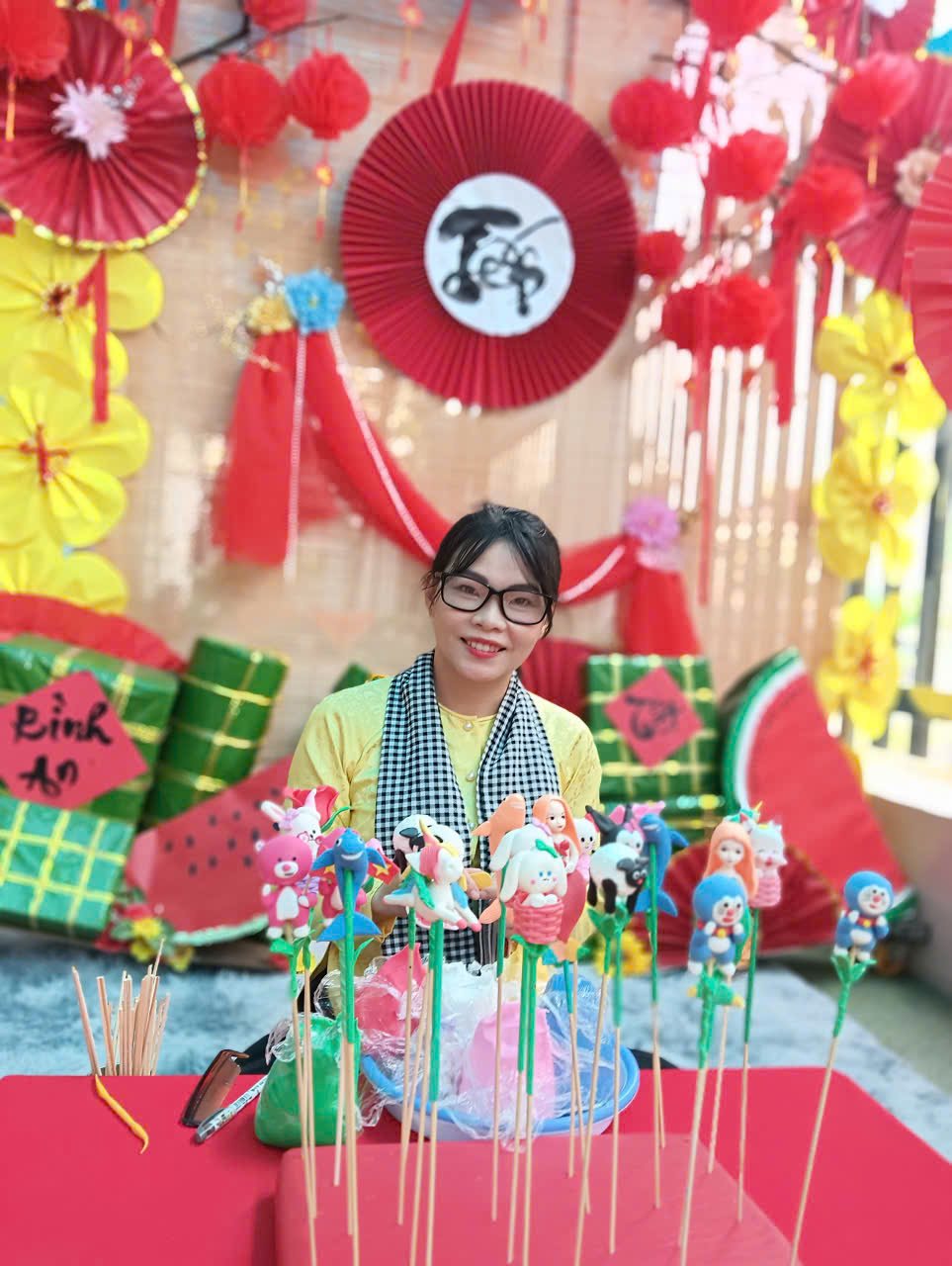
Amid the fast pace of Ho Chi Minh City, where high-rise buildings emerge every day and urbanization keeps accelerating, there remains a small corner where the fragrant scent of glutinous rice dough blends with the vivid colors of to he figurines. This is the workspace of artisan Le Quyen, who has spent more than 13 years of her life preserving and spreading a traditional handicraft that many feared was fading into memory. This article is a glimpse into her long journey, from her first hesitant steps learning the craft to becoming an artisan trusted by families, schools, and businesses across Saigon for performances and workshops.
The origins of to he and the fate that led Le Quyen to the craft
What exactly is to he, and why has it captivated so many generations of Vietnamese people? It is a folk toy sculpted from colored glutinous rice dough, shaped into animals, fairy-tale characters, flowers, or familiar images from northern Vietnamese village life. According to many folklore researchers, the origins of to he are tied to rural markets, where itinerant craftsmen traveled from village to village with a small stall and skillful hands, bringing joy to children. Originally, to he figures were also used as offerings in rituals, symbolizing devotion, before gradually becoming a beloved toy woven into the childhood memories of many generations.
Artisan Le Quyen's path into the to he craft did not come from a business calculation but from a childhood love. She recalls that whenever a to he vendor passed through her neighborhood, every child would rush out, eyes wide as lifeless lumps of dough transformed into vivid shapes within minutes. That image stayed etched in her mind and became the motivation to pursue the craft as an adult, despite many around her believing it was a "hard way to make a living" in modern times.
13 years of dedication keeping the craft alive in Saigon
Unlike many traditional craft villages in northern Vietnam that benefit from a large community of artisans, pursuing the to he craft in Ho Chi Minh City required Le Quyen to teach herself, explore on her own, and build her own market from scratch. Over these 13 years, she has weathered numerous ups and downs:
- Early days bringing to he to festivals and pedestrian streets to introduce the craft to Saigon's public, often having to explain from scratch "what is to he" to young people who had never encountered it.
- A long process of researching a glutinous rice dough recipe suited to the hot, humid southern climate, quite different from the traditional northern formula.
- The journey of building the To He Le Quyen brand, from an individual street artisan into a studio that now organizes to he workshops and event performances.
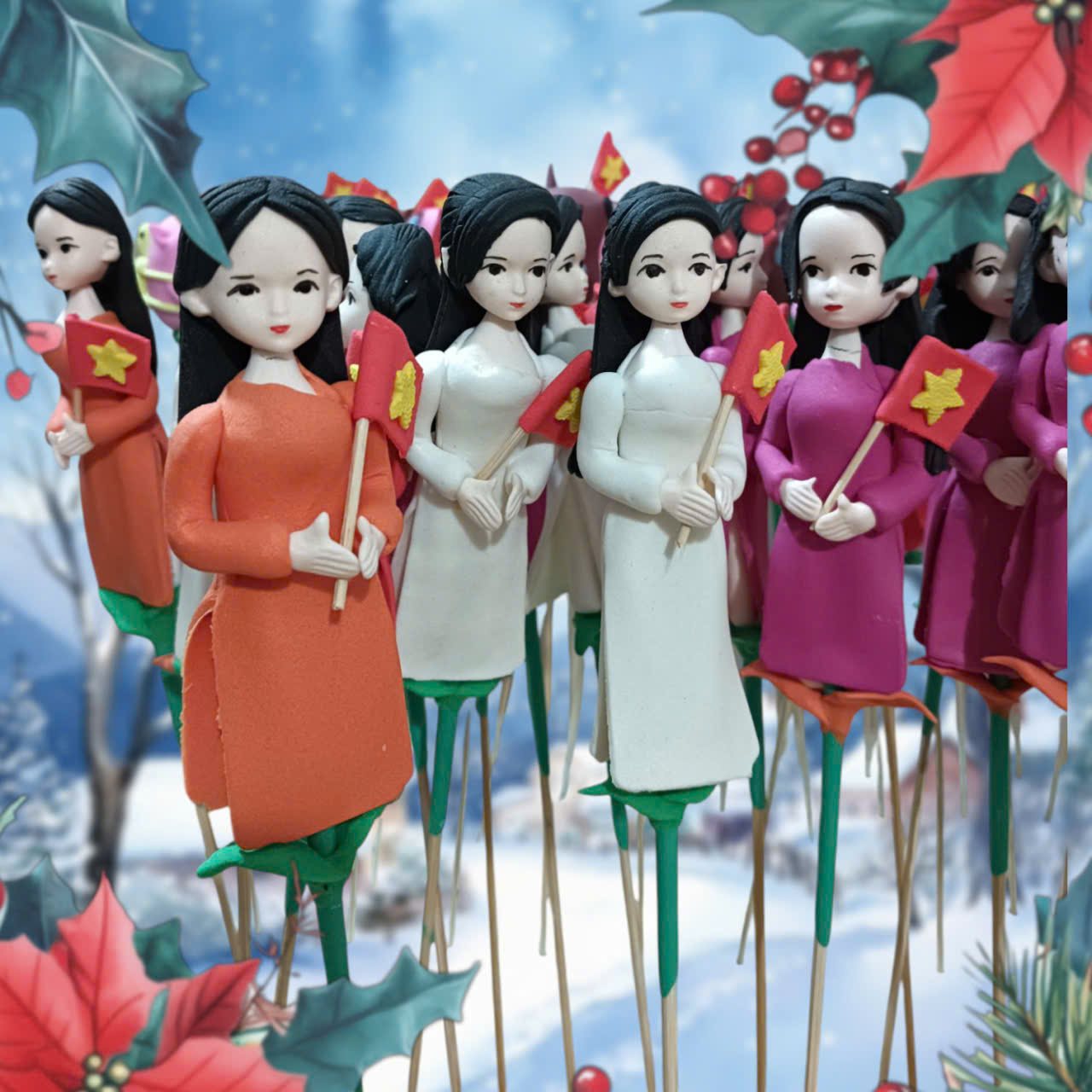
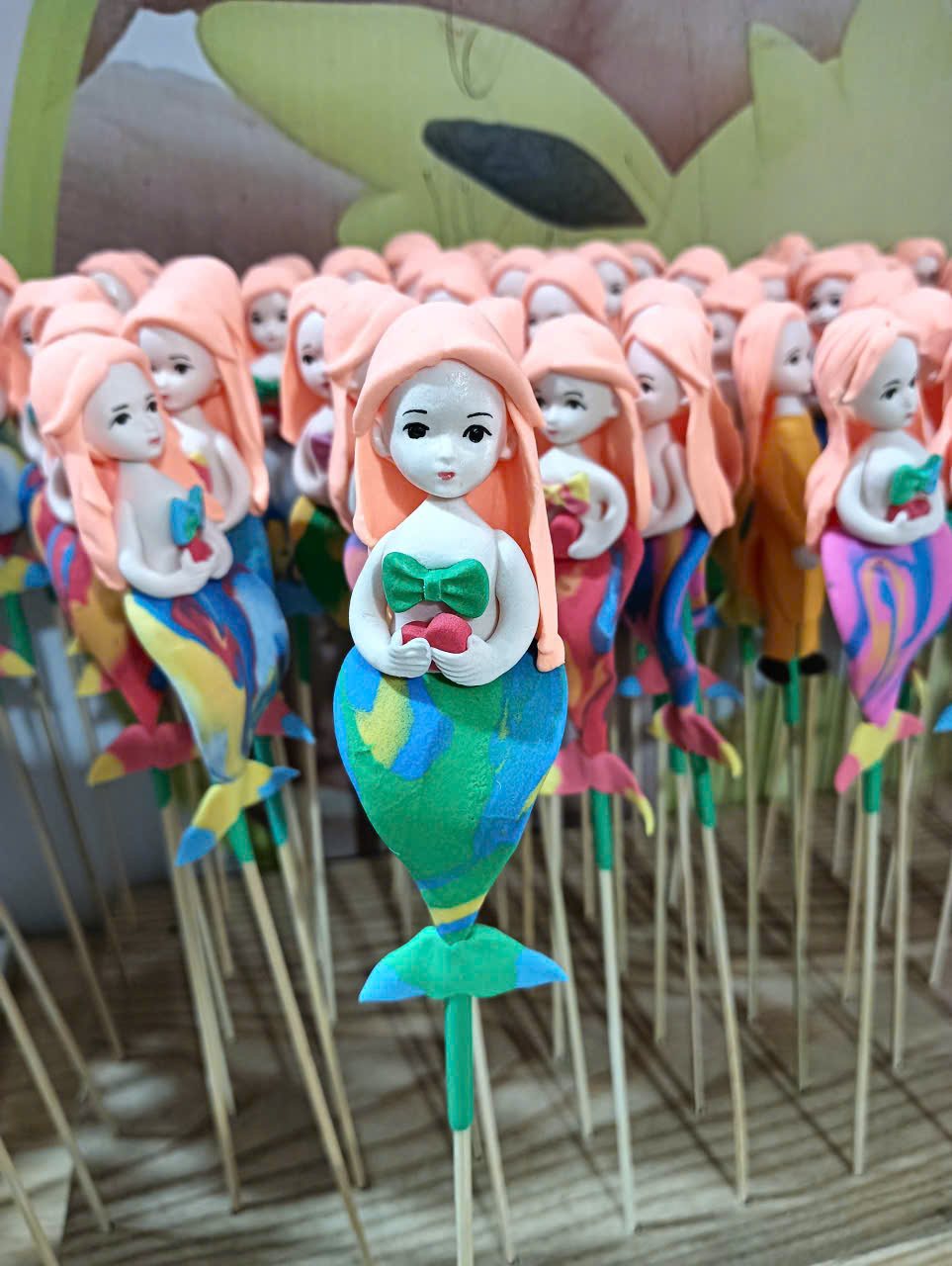
- Continuously creating new designs, blending modern animated characters with traditional sculpting techniques to capture today's children's imagination.
Challenges amid modern life
Keeping the to he craft alive in a dynamic city like Ho Chi Minh City has never been easy. Today's children have countless entertainment options, from smartphones to video games to eye-catching mass-produced toys, making folk toys like to he feel increasingly unfamiliar. In addition, natural rice-dough ingredients and dyes are also becoming harder to source to the right standard, requiring the artisan to constantly test and mix her own materials to achieve the ideal elasticity and color retention.
Artisan Le Quyen shares that there were periods when she considered giving up the craft due to unstable income, especially as traditional cultural events became rarer in urban life. But every time she saw the delight in a child's eyes upon receiving their first to he figurine, she found a reason to continue. To her, to he is not merely a handcrafted product but a bridge connecting Vietnamese folk culture to the younger generation.
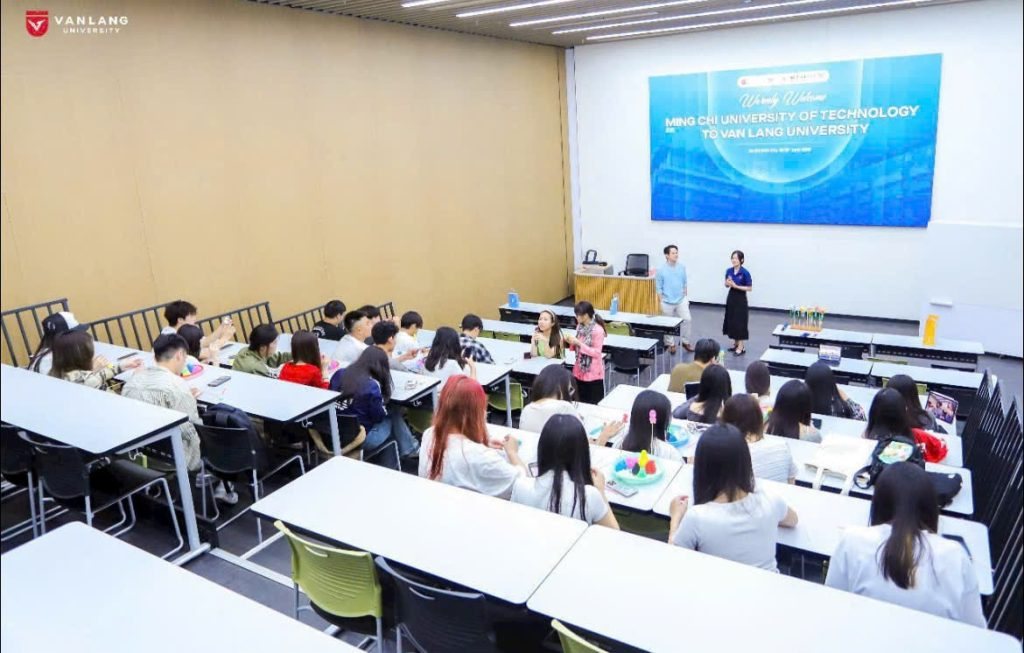
Spreading the love of to he through workshops and events
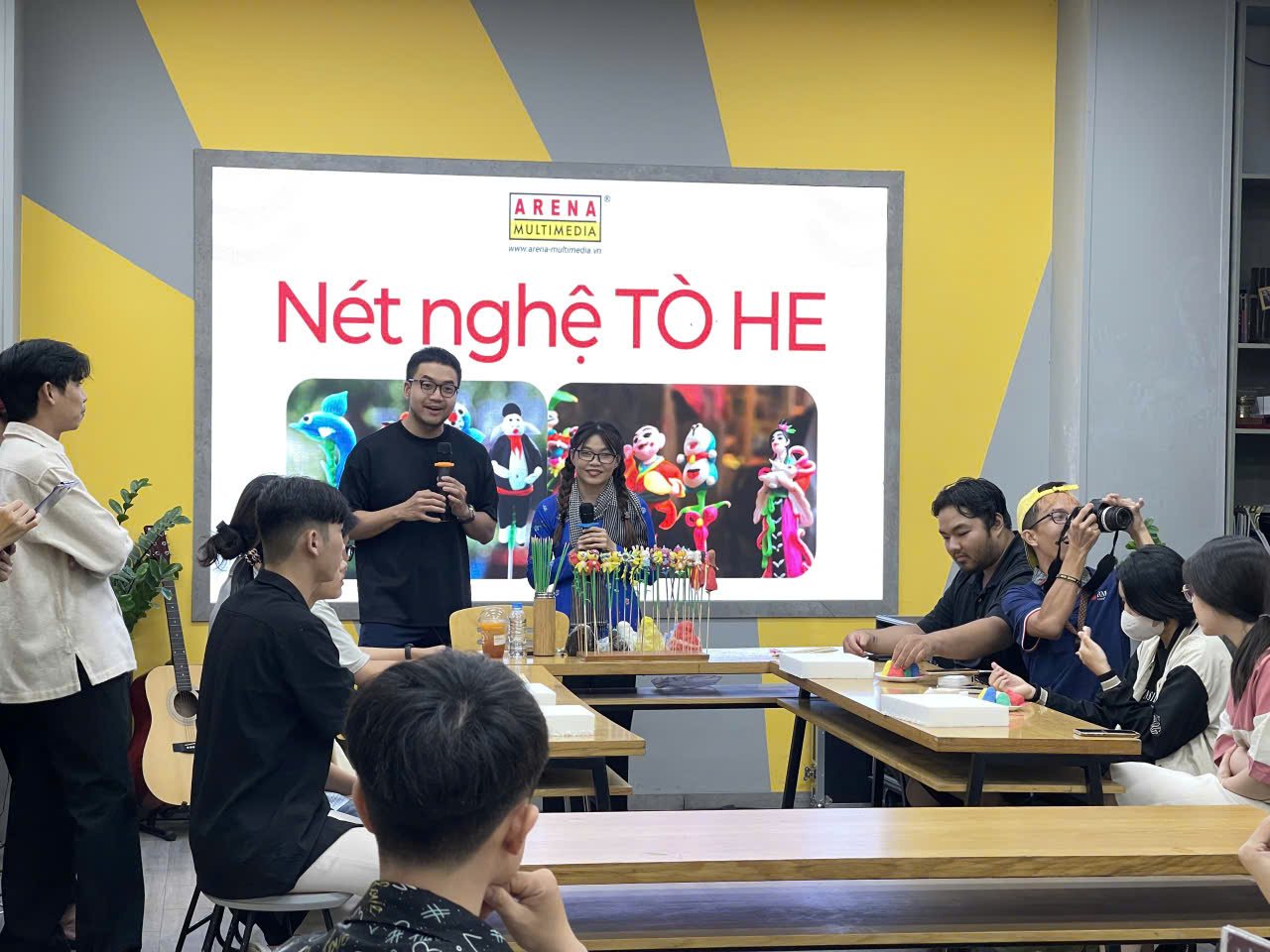
Realizing that the most effective way to preserve the craft was not to work alone in silence but to share it with the community, artisan Le Quyen began organizing to he workshops for students and adults interested in learning about traditional culture. These workshops are not simply about teaching sculpting techniques; they also weave in stories about the origins of to he and its cultural meaning, helping participants understand the heritage value behind the experience.
Alongside this, to he rental services in Ho Chi Minh City for events, birthday parties, fairs, and grand openings have also drawn interest from many organizations and families, thanks to the novelty and distinct national identity that to he brings compared to conventional forms of entertainment. Through these persistent efforts, To He Le Quyen has gradually become more widely known, not only within the community of folk-culture enthusiasts but also in the media and press.
Why to he still holds value today
As many traditional crafts face the risk of disappearing, artisan Le Quyen's story proves that to he can thrive if renewed the right way. It is not only about preserving a sculpting technique but also about safeguarding a piece of collective Vietnamese memory, where childhood is tied to simple yet colorful street vendors. Each to he figurine is not just a toy but a story, a message about skill, patience, and love for national culture.
Closing thoughts
Artisan Le Quyen's 13-year journey continues, with many new plans to bring to he closer to the public, especially the younger generation in major cities. If you also love folk culture and want to experience the art of sculpting to he, don't hesitate to learn more about the workshops or performance services offered by To He Le Quyen in Ho Chi Minh City.