

Many parents, when their child first encounters to he, often ask: what is to he made of, and is this material truly safe for young children to hold, or even put in their mouth? This is a completely valid concern, since the market today includes plenty of industrial modeling clays containing chemicals of unclear origin. This article explains in detail the ingredients, the traditional to he dough-making process, and the safety criteria that a reputable to he artisan always follows.
What is to he?
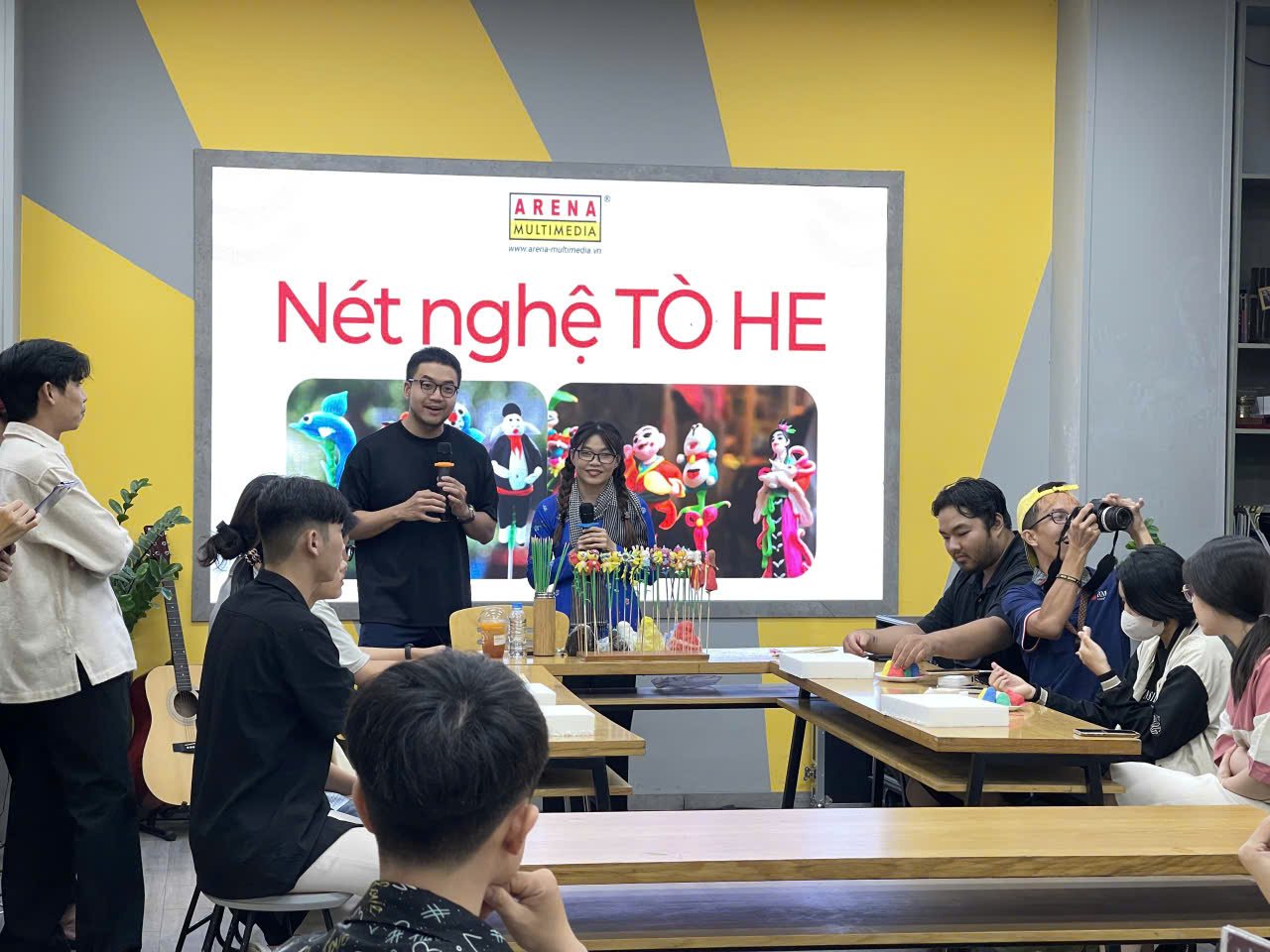
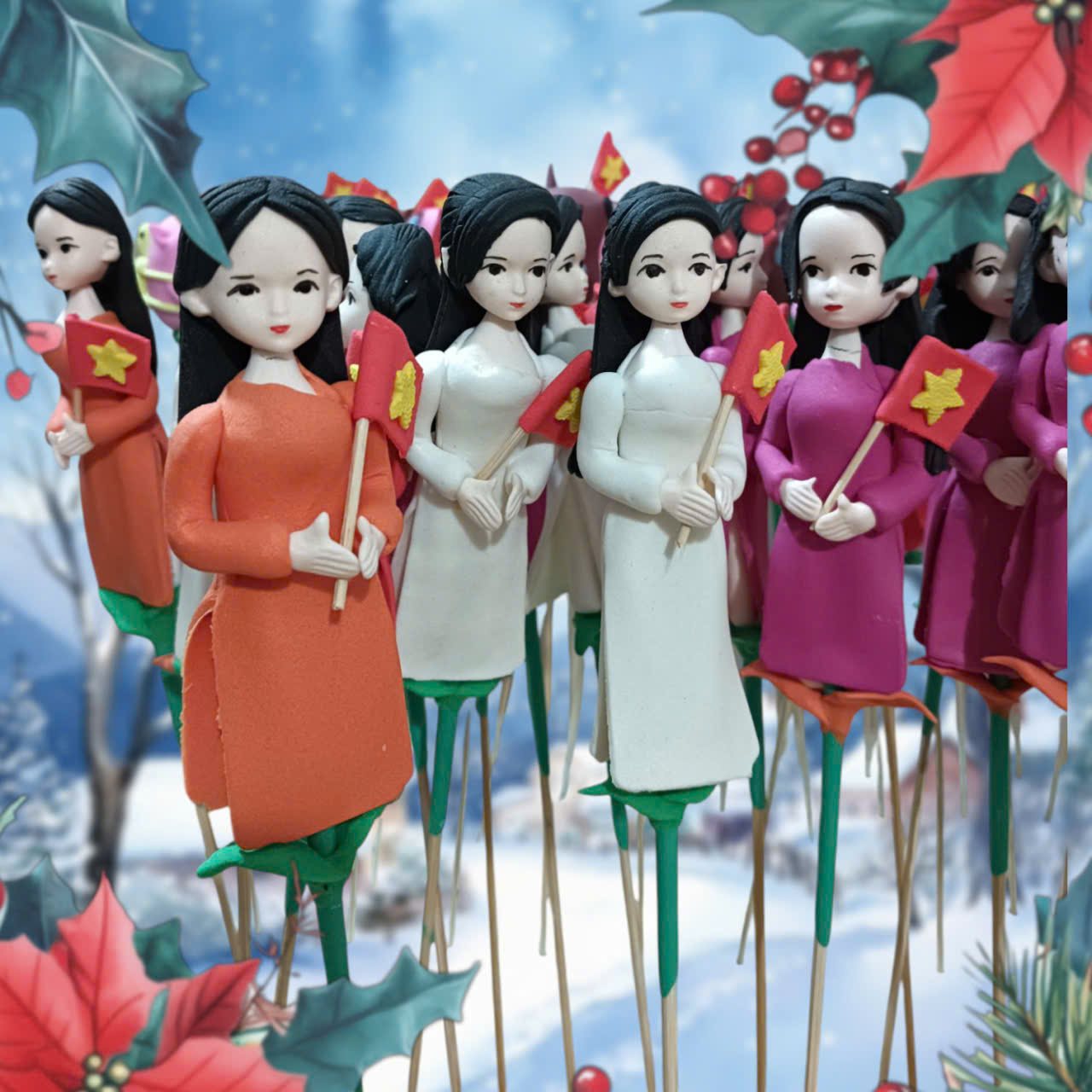
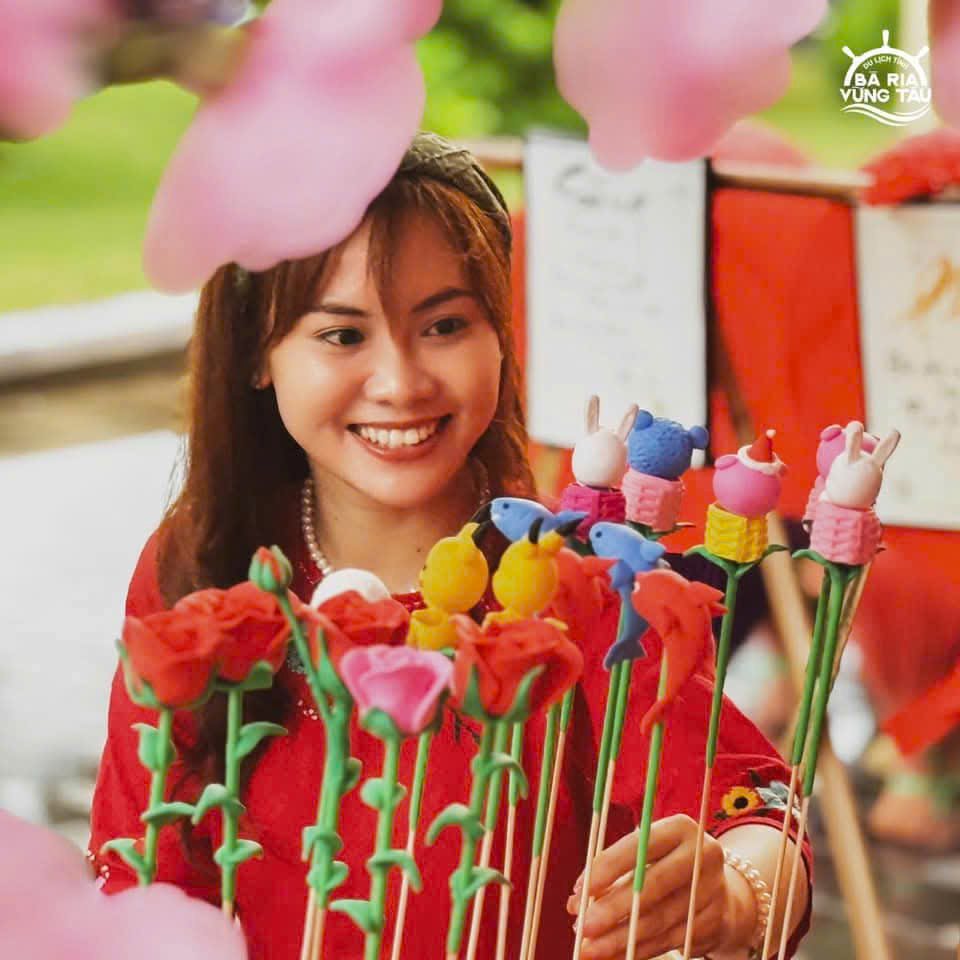
To he is a folk art form that shapes figures – animals, flowers, cartoon characters – from dyed glutinous rice dough. It originates from the Red River Delta region and has been passed down through generations of artisans. In the past, to he was typically shaped into the twelve zodiac animals, mounted on bamboo sticks, and sold at rural markets or village festivals. Today, to he appears not only at pedestrian streets and playgrounds but is also brought in by many families, schools, and businesses in Ho Chi Minh City for birthdays, events, and extracurricular activities, letting children have fun while learning about traditional Vietnamese culture.
What is to he made of?
The main ingredient of traditional to he dough is glutinous rice flour, mixed with a small proportion of regular rice flour to achieve the right level of pliability and chewiness, making it easy to shape fine details without cracking or sticking excessively to the hands. After the dough is thoroughly kneaded and steamed, the artisan divides it into small portions and colors them using naturally sourced ingredients, rather than industrial dyes of unclear origin. Some natural coloring ingredients commonly used by to he artisans include:
- Fresh turmeric or turmeric powder – for a warm yellow
- Ripe gac fruit – for the characteristic orange-red
- Galangal leaves or pandan leaves – for a natural green
- Bamboo charcoal or natural-based ink – for black and brown tones
- Beetroot – for gentle purple and pink shades
Thanks to using natural coloring ingredients, to he figures keep their vivid, eye-catching colors while minimizing the risk of skin irritation or health effects if a young child accidentally touches, smells, or holds the figure for an extended period.
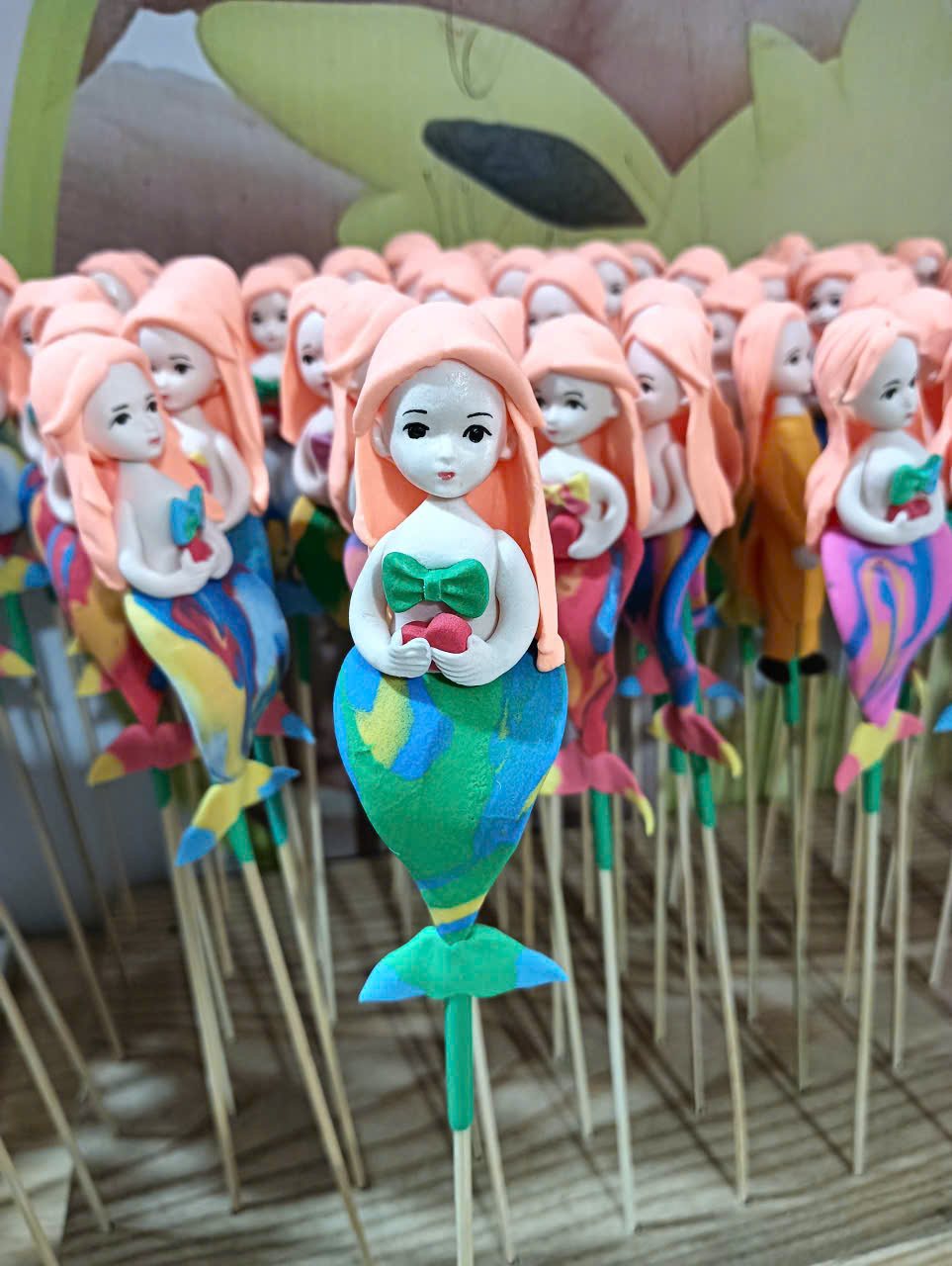
The traditional to he dough-making process
To achieve dough that is smooth, pliable, holds color well, and lasts a long time, a to he artisan goes through several meticulous steps:
- Wash the glutinous rice thoroughly and soak it for the appropriate time to soften the grains.
- Grind or pound the rice into fine flour, then sift out any coarse particles.
- Knead the flour with water at a precise ratio, then steam it until fully cooked so the dough becomes pliable and binds well.
- Divide the dough into small portions and dye each one with the prepared natural coloring ingredients.
- Knead each colored portion thoroughly and store it in a sealed bag or covered container to retain its pliability and prevent it from drying out or hardening before use.
This process demands years of experience to get the water-to-flour ratio and steaming temperature exactly right, because even a small deviation can leave the dough too soft and sticky, or cause it to dry out and crack too quickly, affecting the quality of the final product.
How safe is to he for children?
Because it is made entirely from glutinous rice – a food staple familiar in everyday meals – combined with natural coloring from vegetables and fruits, traditional to he dough is considered far safer than the industrial modeling clays commonly sold on the market. Still, to ensure maximum safety for children, parents and event organizers should keep the following points in mind when choosing a service:
- Choose an experienced to he artisan who uses ingredients of clear origin and does not mix in cheap industrial dyes.
- Supervise children under 3 years old while they play with to he, and prevent them from biting or holding the figure in their mouth for long periods.
- Store to he figures in a dry, well-ventilated place away from direct sunlight to keep them fresh longer and prevent mold.
- Do not let children eat to he even though it is made from glutinous rice, since the dough goes through many processing steps and hand contact, and does not meet the hygiene standards of regular food.
Why choose a reputable to he artisan?
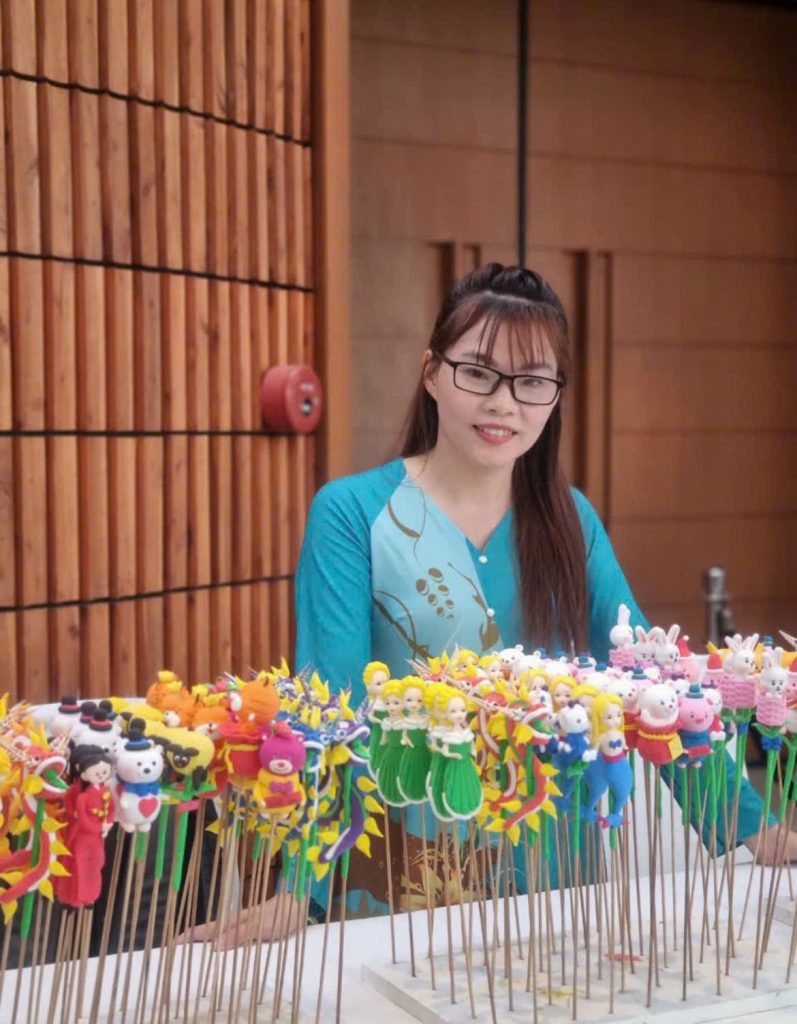
Not everyone who sculpts to he fully understands the correct dough ratios or how to choose safe coloring ingredients. An experienced to he artisan not only creates beautiful, finely detailed figures but also ensures the dough meets safety standards suitable for children to handle directly over extended periods. With 13 years of experience in the craft, artisan Le Quyen always prioritizes natural ingredients and a clean dough-making process, ensuring every to he figure brings children not just joy, but also peace of mind for parents.
If you are looking for a to he rental service for an event, birthday, or school activity in Ho Chi Minh City and want to learn more about the materials, the process, or receive a quote, contact via Zalo/phone 0976433569 for detailed consultation and pricing tailored to your specific needs.