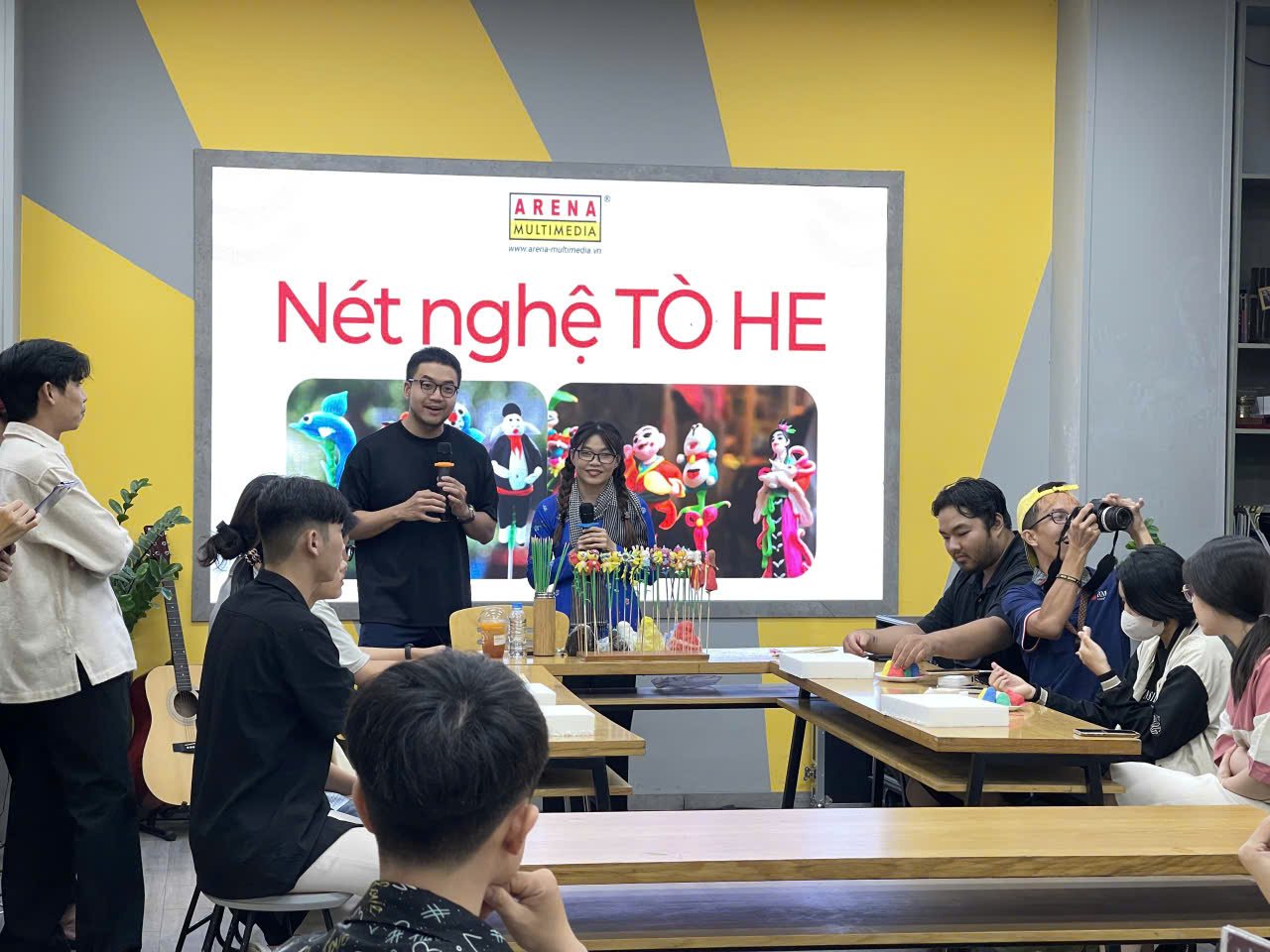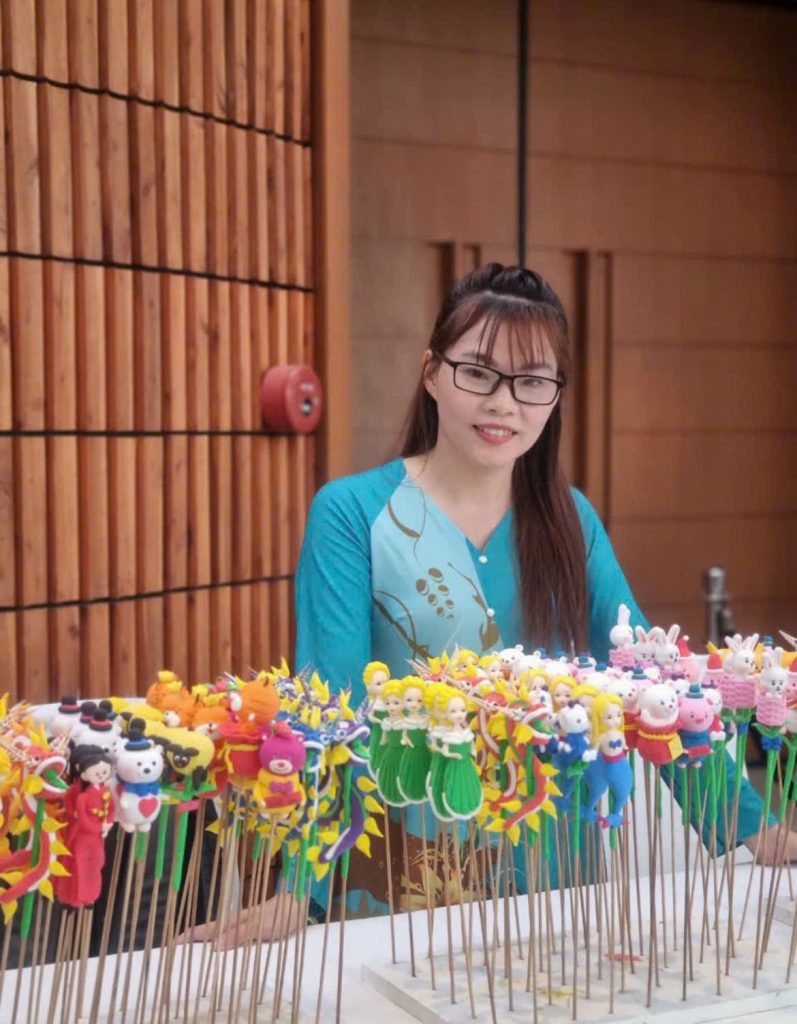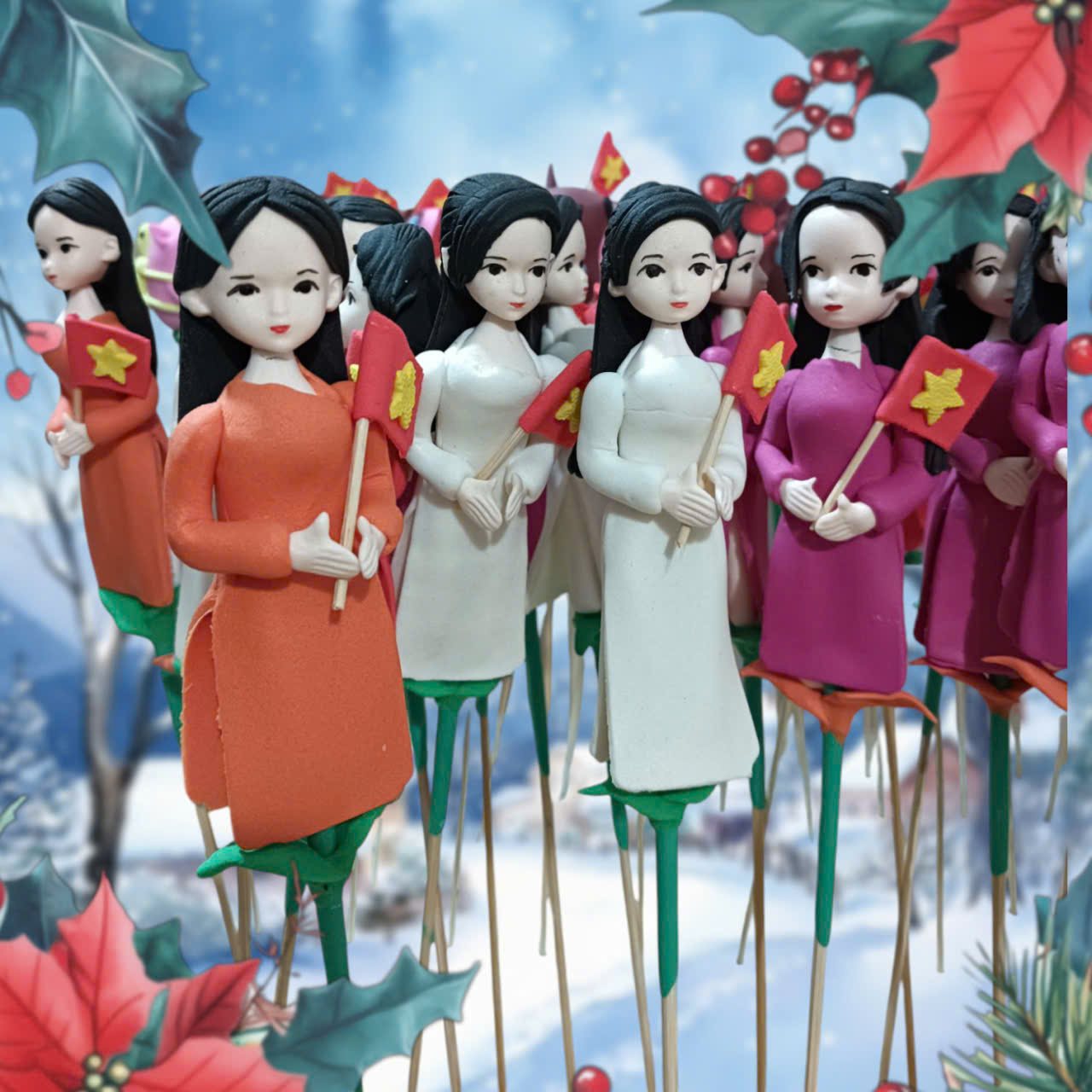


What is to he? This is a question many people, especially children and foreign visitors, often ask the first time they see the colorful little figurines skillfully sculpted from glutinous rice dough atop a bamboo stick. To he is not simply a folk toy but a traditional sculptural art form deeply woven into Vietnamese culture. In this article, we will explore the origins of to he, its cultural meaning, the rice-dough material behind these miniature works of art, and how artisan Le Quyen carries this craft forward in Ho Chi Minh City.
What is to he?
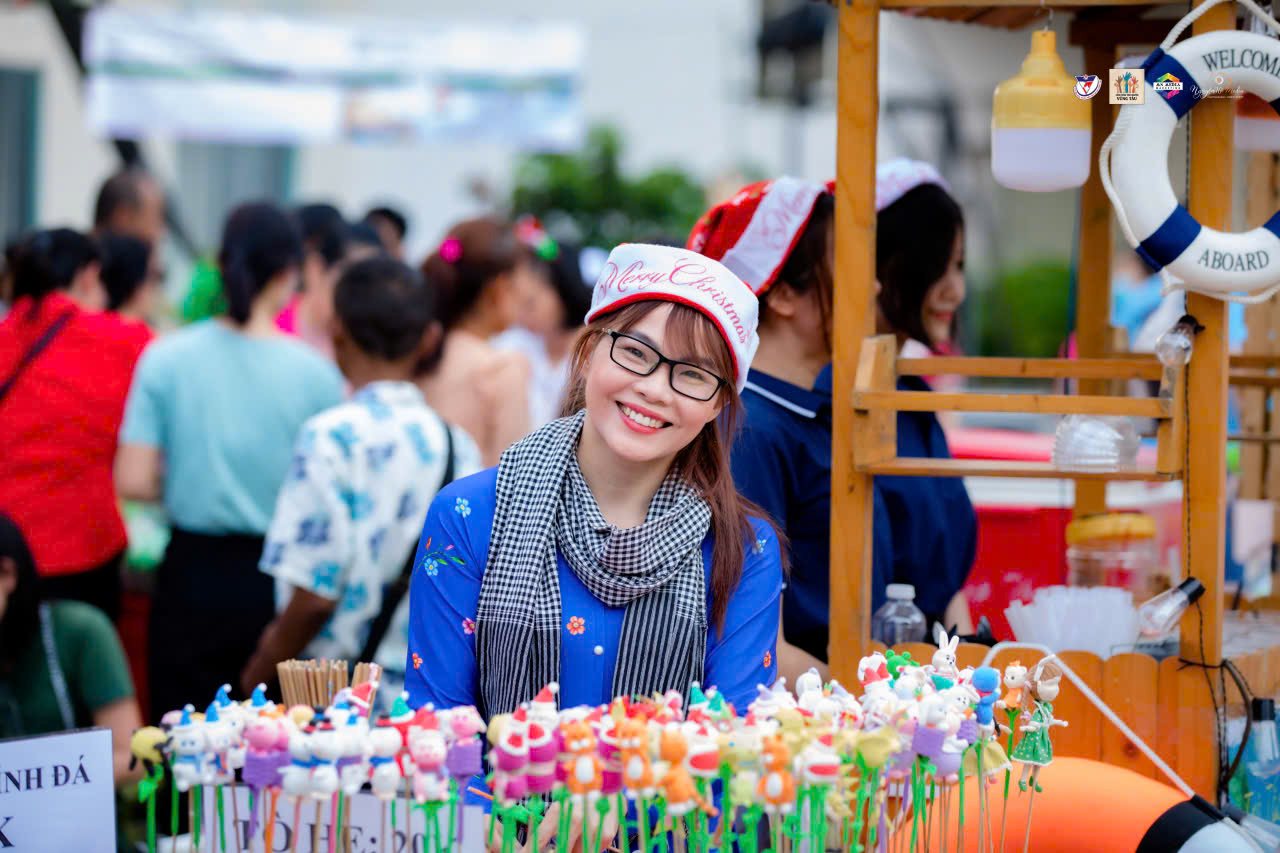
To he is the folk name for tiny figurines molded from naturally dyed glutinous rice dough, typically shaped as zodiac animals, folk-tale characters, flowers and leaves, or cartoon figures familiar to children today. The artisan uses skillful hands along with a few simple tools — a bamboo stick, a small comb, a paring knife — to shape the figure directly in front of the viewer, often within just a few minutes. This visual, lively, and intimate quality is exactly what has made to he one of the most beloved folk art forms, tied to the childhood memories of generation after generation of Vietnamese people, from old country markets to modern-day events.
Origins of to he
When discussing the origins of to he, one cannot overlook Xuan La village, Phuong Duc commune, Phu Xuyen district, Hanoi — the cradle of Vietnam's traditional to he craft. According to village elders, the craft of molding to he emerged hundreds of years ago, originally as vegetarian offering trays of rice dough shaped into chickens, pigs, birds, and fish for ceremonial worship during festivals, which later evolved into a folk toy for children. The name "to he" is believed to derive from the "to-te" sound of a small dough whistle that children would blow after finishing their play with the figurine, giving the craft a name that is both playful and endearing. From Xuan La village, the craft traveled with itinerant artisans across countless rural markets, spreading to many regions of the country and gradually becoming an indispensable folk cultural feature at festivals, the Mid-Autumn Festival, and traditional fairs across all three regions of Vietnam.
The cultural meaning of the art of to he
Far more than just a toy, to he carries several deep layers of cultural meaning. Each to he figurine is a crystallization of the artisan's dexterity, patience, and creativity, passed down through generations by hands-on teaching rather than any fixed curriculum. For children, to he is an early gateway into the world of color, form, and imagination; for adults, especially those far from home, the image of a to he figurine evokes simple childhood memories beside a street vendor's tray at the village market. It is fair to say that to he is a living symbol of Vietnamese folk cultural identity, one that deserves to be preserved and shared widely.
- Preserves childhood memories and village-craft identity across generations of Vietnamese people.
- Showcases the dexterity, creativity, and patience of the folk artisan.
- Serves as a bridge that helps children experience sculptural art in a vivid, hands-on way.
- Helps promote traditional Vietnamese culture to international friends at cultural exchange events.
The rice-dough material behind to he
The primary material used to make a to he figurine is glutinous rice dough, prepared through a painstaking multi-step process. Finely milled glutinous rice is mixed with a small amount of regular rice flour in a specific ratio, steamed until cooked, then kneaded until the dough becomes smooth and pliable without sticking to the hands. The colors of traditional to he are drawn from familiar natural ingredients — pandan leaf for green, gac fruit for reddish orange, turmeric for yellow, and bamboo charcoal for black — though today many artisans also blend in safe food coloring to expand the palette. Once colored, the dough is stored in airtight containers to retain its moisture and elasticity, allowing the artisan to work quickly and shape each figurine with precision in just a few minutes while still preserving sharp, lively details.
Artisan Le Quyen keeps the craft alive in Ho Chi Minh City
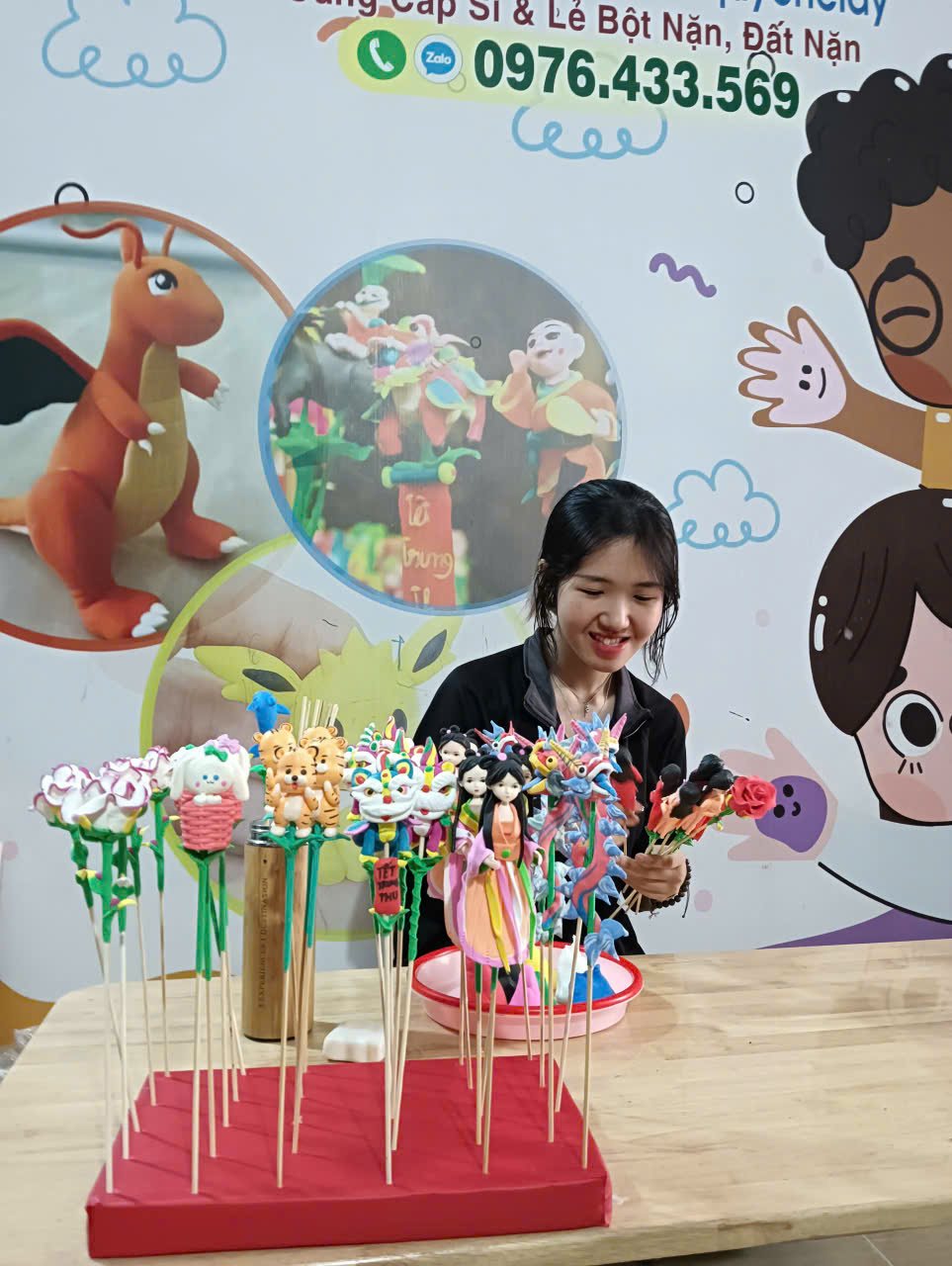
Amid the fast pace of modern life in Ho Chi Minh City, artisan Le Quyen is one of the few who continues to devotedly preserve and share the traditional craft of to he sculpting. With 13 years of experience in the trade, Le Quyen is not only skilled in classic sculpting techniques but also constantly creates new modern character designs suited to today's children and events, ranging from cartoon characters and brand mascots to fully custom figures made to order. Studio To He Le Quyen regularly takes part in cultural events, fairs, schools, and community programs across Ho Chi Minh City, bringing the art of to he sculpting closer to an urban audience, especially children who otherwise have few chances to encounter traditional handicrafts.
Conclusion
From a simple folk toy in Xuan La village, to he has grown into a distinctive cultural symbol of Vietnam, preserved and carried forward by generations of artisans, including artisan Le Quyen in Ho Chi Minh City. If you would like to learn more about the art of to he sculpting, experience it firsthand, or invite a to he artisan to your event, feel free to reach out via Zalo or phone at 0976433569 for consultation and a quote, always on a negotiated basis.